Acne is a problem that has affected millions of faces, many of whom have tried everything without real results. Facial laser treatment for acne is completely different from other options because it works at a deeper level of the skin instead of just targeting the surface. In fact, this technology has revolutionized skin treatments in recent years and has become the first choice for those seeking tangible, real results.
At the First Specialist Medical Clinics Complex , the dermatology clinic offers specialized sessions for treating acne and its effects using the latest equipment and under the supervision of expert physicians. If you are looking for lasting results, not temporary solutions, you've come to the right place.
What is acne and what are its causes?
Acne is not simply a series of pimples that appear and disappear on the face; it is a complex skin condition resulting from an imbalance in the skin's natural processes. It occurs when skin pores become clogged with excess oil and dead cells, creating a breeding ground for bacteria and exacerbating inflammation. The truth is, many people treat the symptoms without understanding the underlying cause of the problem.
What's striking here is that acne isn't limited to teenagers; it also affects adults in various forms, sometimes more stubborn and difficult to treat. Even after healing, acne can leave scars and dark spots that persist for months or years, highlighting the need for specialized medical intervention beyond ordinary creams and lotions.
Types of acne:
- Blackheads: Open pores clogged with oil and dead cells; their color is dark due to oxidation with air.
- Whiteheads: Clogged pores beneath the skin's surface, appearing as small white bumps
- Inflammatory pimples (papules): Painful red bumps resulting from inflammation of the pore wall
- Pustules: Pimples containing pus at their tip, which are most likely to leave scars.
- Nodules: Large, hard lumps under the skin that are painful and take a long time to heal.
- Cysts: The most severe and deepest type of acne, and the most likely to cause permanent scarring.
Causes of acne:
- Excessive sebum production: The sebaceous glands become overactive, clogging pores and creating an environment of inflammation.
- Hormonal imbalances: especially androgens, which rise during puberty and in some women during certain menstrual cycles.
- Bacteria: The proliferation of Cutibacterium acnes bacteria inside blocked pores triggers inflammation.
- Psychological stress: raises cortisol levels, which stimulates fat production and weakens the skin's immunity.
- Dietary factors: High glycemic index foods and dairy products are linked to worsening of acne in some people.
- The wrong products: Using oily products unsuitable for your skin type clogs pores and exacerbates the problem.
- Genetic factors: Genetic predisposition plays an undeniable role in the severity and duration of the illness.
Methods for treating acne scars:
- Topical medicated creams: These contain retinol or azelaic acid and work slowly to lighten dark spots.
- Chemical peeling: removes superficial layers of skin to improve the appearance of light scars.
- Cosmetic injections (fillers): Used to fill deep, sunken scars and smooth the skin surface
- Microneedling: Fine needles stimulate collagen to improve skin texture and reduce scars.
- Platelet-rich plasma (PRP): Injected into the skin to regenerate it and accelerate natural healing
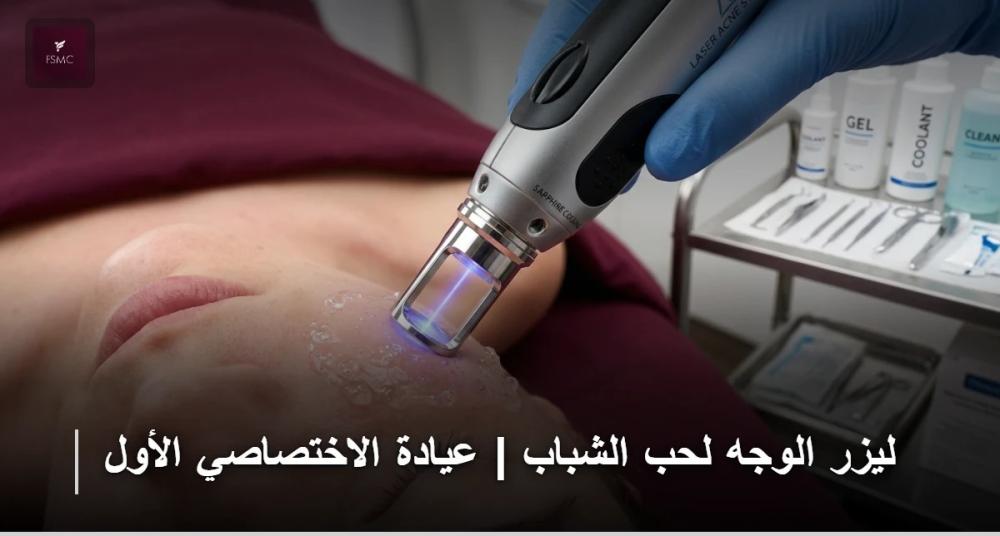
- Laser treatment : The most effective of all options, targeting scars with high precision without harming the surrounding skin.
What types of laser treatments are available for removing acne scars from the face?
Facial lasers for acne are offered in multiple forms, each with a different mechanism of action to suit specific cases:
- Erbium (Er:YAG) laser: Targets the superficial layers of the skin and rejuvenates the skin with high effectiveness and a shorter recovery period.
- CO2 laser: Reaches deeper layers and strongly stimulates collagen production, suitable for deep scars
- 1927nm Thulium Laser: A modern technology that evens and unifies skin tone with minimal discomfort
- Intense Pulsed Light (IPL): Targets both redness and dark spots, improving the overall appearance of the skin.
- Nd:YAG laser: penetrates deep layers of the skin and treats the blood vessels that cause the redness associated with acne.
- LED light therapy device: Works with different wavelengths to soothe inflammation and promote cell regeneration
How are acne scars treated with laser?
- Initial consultation: The specialist examines the skin type and severity of the effects and determines the appropriate treatment protocol for each case.
- Facial cleansing : Makeup and impurities are completely removed before the session begins to ensure optimal device performance.
- Applying a local anesthetic: A numbing cream is applied to the area to be treated and left on for a sufficient time to ensure comfort during the session.
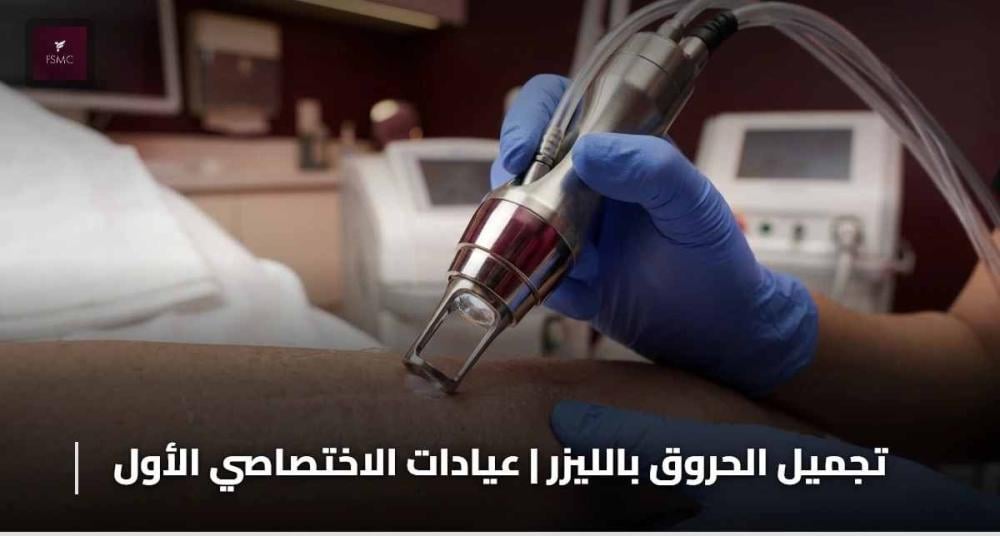
- Laser application: The device head is passed in regular movements over the targeted areas, and the process usually does not take more than 30 minutes.
- Skin cooling: A cool air or soothing cream is used immediately after the session to reduce redness.
- Final instructions: The doctor will explain skincare instructions for the following days to ensure the best results.
Tips before undergoing laser sessions for acne removal
- Stop using retinol and acids at least one week before the session to avoid skin irritation.
- Avoid direct sun exposure and start using sunscreen daily at least two weeks in advance.
- Tell your doctor about all the medications you are taking, especially blood thinners or isotretinoin.
- Do not have the session if you have active, inflamed pimples — wait until the condition has calmed down.
- Make sure your skin is well-hydrated in the days leading up to the session, as hydrated skin responds better.
- Come with a clean face, completely free of makeup or any other products.
- Discuss your expectations openly with your doctor to determine the number of sessions and the type of results you can expect.
Tips after laser acne scar removal
- Apply cold compresses to soothe redness in the first few hours after the session.
- Make it a point to apply sunscreen with SPF 50 or higher every day without exception, even on cloudy days.
- Avoid scratching or touching the skin with your hands during the recovery period.
- Use only the gentle, fragrance-free cleanser and moisturizer recommended by your doctor.
- Avoid exposure to extreme heat such as saunas and hot baths for 48 hours.
- Do not apply makeup to the treated area for at least 24 hours.
- Keep your follow-up appointments with the doctor to assess the results and adjust the protocol if necessary.
How many laser sessions are needed to remove acne scars?
This is a question every patient asks, and the honest answer is: there's no one-size-fits-all solution. The number of sessions depends directly on the depth of the scars, the severity of the dark spots, the skin type, and its response to treatment.
In mild to moderate cases, most patients notice significant improvement after 3 to 5 sessions spaced 4 weeks apart. Deep, sunken scars or chronic cases may require 6 or more sessions, often combining multiple techniques, to achieve optimal results.
The truth is that patience is part of the treatment. Collagen needs time to rebuild itself, which is why final results are measured months after the sessions, not days. The dermatologist at the First Specialist Medical Clinics Complex develops a well-thought-out treatment plan from the very first session.
Laser devices for acne treatment
Not all devices are created equal, and the difference in results begins with the quality of the device and its suitability for your specific condition. At the First Specialist Medical Clinics Complex, we use certified medical devices known for their documented results. The following are some of the most prominent devices available:
1. LED light therapy device
- It works at different wavelengths: blue to kill acne-causing bacteria, and red to soothe inflammation and stimulate collagen.
- Suitable for active inflammatory conditions and as a complement to other laser protocols.
- It causes no pain and requires no recovery period, making it very comfortable.
- It gives cumulative results that improve with each session.
2. Intense Pulsed Light (IPL)
- It treats post-acne dark spots (PIH) and persistent redness simultaneously.
- It improves overall skin tone and reduces enlarged pores.
- Especially suitable for those with fair to medium skin tones
- It needs strict daily sunscreen after every session.
3. Thulium laser 1927 nm
- A new generation technology that combines skin rejuvenation and pigmentation treatment with high precision.
- It works to lighten brown scars and improve skin texture and tone.
- The recovery period is shorter compared to traditional lasers, with results that are comparable in effectiveness.
- Suitable for those who want noticeable results with minimal disruption to daily activity.
Results of laser acne treatment
- Lightening dark spots: Noticeable reduction in post-acne pigmentation during the first few sessions
- Improved skin texture: It becomes smoother and more even, with a reduction in roughness and superficial scars.
- Pore minimization: A visible reduction in the size of enlarged pores gives a fresher appearance.
- Collagen stimulation: Collagen rebuilding gradually fills in deep scars and smooths the surface.
- Reduced redness: Chronic redness associated with acne is noticeably reduced.
- Gradual and lasting results: continue to improve for months after the sessions are completed, provided the aftercare instructions are followed.
Frequently asked questions about facial laser for acne
Is facial laser treatment for acne painful?
Facial laser acne treatment is generally painless. Most patients experience a slight tingling or warming sensation during the session, which is perfectly normal. A topical anesthetic cream is applied beforehand to minimize discomfort, and the session typically lasts only 20 to 40 minutes.
How much do laser sessions for acne treatment cost?
The cost varies depending on the type of device used, the number of sessions required, and the severity of the condition. A precise figure cannot be determined without a direct examination by a doctor. It is best to book a consultation at the First Specialist Medical Clinics Complex to receive a clear treatment plan with a transparent and detailed cost estimate.
Are the results of laser treatment for acne scars permanent?
Laser treatments for scars and dark spots are largely permanent, especially with continued good skincare and sun protection. However, if active acne remains untreated, new scars will appear. Therefore, doctors recommend treating active acne first before proceeding to scar improvement treatments.
If you've been living with acne scars for years and have tried every solution without success, facial laser treatment might be the answer you've been looking for. The technology has proven effective, and the results are measurable. The real difference begins with a specialist who creates the right plan specifically for your case. Contact the First Specialist Medical Clinics Complex today and book your consultation at the dermatology clinic—the first step towards clearer, more confident skin starts here.